Report Meter Readings Online?

(5 February 2026) The Chef Anchor 3.0 programme, implemented by the Hong Kong Sheng Kung Hui Welfare Council in partnership with The Hong Kong and China Gas Company Limited (Towngas), held its results presentation today at the Towngas Cooking Centre, announcing the findings of an efficacy evaluation study conducted by The University of Hong Kong’s School of Nursing over a period of more than one year. The study demonstrates that cooking training incorporating DementiAbility Methods™ elements and procedural analysis recipes can sustainably promote family harmony and improve participants’ cognitive function, whilst effectively enhancing their cooking confidence; for carers providing longer hours of care, it can also reduce their burden.
Tracking 61 elderly families proves programme effectiveness
Chef Anchor 3.0 targets elderly individuals with mild or early-stage dementia, utilising DementiAbility Methods™ elements and procedural analysis recipes designed by occupational therapists to break down complex cooking steps, helping elderly individuals regain the joy and confidence of cooking. To further practise the concept of “demonstrating ability”, the programme held Hong Kong’s first “Recipes of Remembrance” cooking competition for elderly individuals with dementia in September this year, where elderly participants and carers cooked together to break society’s stereotype that patients cannot cook, showcasing elderly potential and heartwarming family stories to the public whilst building positive relationships.
From October 2024 to December 2025, the study followed 61 seniors and their carers, allocating them to either the intervention group (32 pairs) or the waitlist control group (29 pairs). The intervention group immediately undertook the 10‑week Chef Anchor 3.0 programme—comprising four preparatory seminars and five in‑person cooking sessions—while the control group received the same training after a 10‑week wait. Comparisons between the two groups were made to evaluate the effectiveness of the programme. Besides, assessments conducted before, immediately after, and 10 weeks following the programme (follow-up) investigated both immediate and sustained impact. All evaluations were performed by blinded assessors to ensure objectivity.
From October 2024 to December 2025, the study followed 61 seniors and their carers, allocating them to either the intervention group (32 pairs) or the waitlist control group (29 pairs). The intervention group immediately undertook the 10‑week Chef Anchor 3.0 programme—comprising four preparatory seminars and five in‑person cooking sessions—while the control group received the same training after a 10‑week wait. Comparisons between the two groups were made to evaluate the effectiveness of the programme. Besides, assessments conducted before, immediately after, and 10 weeks following the programme (follow-up) investigated both immediate and sustained impact. All evaluations were performed by blinded assessors to ensure objectivity.
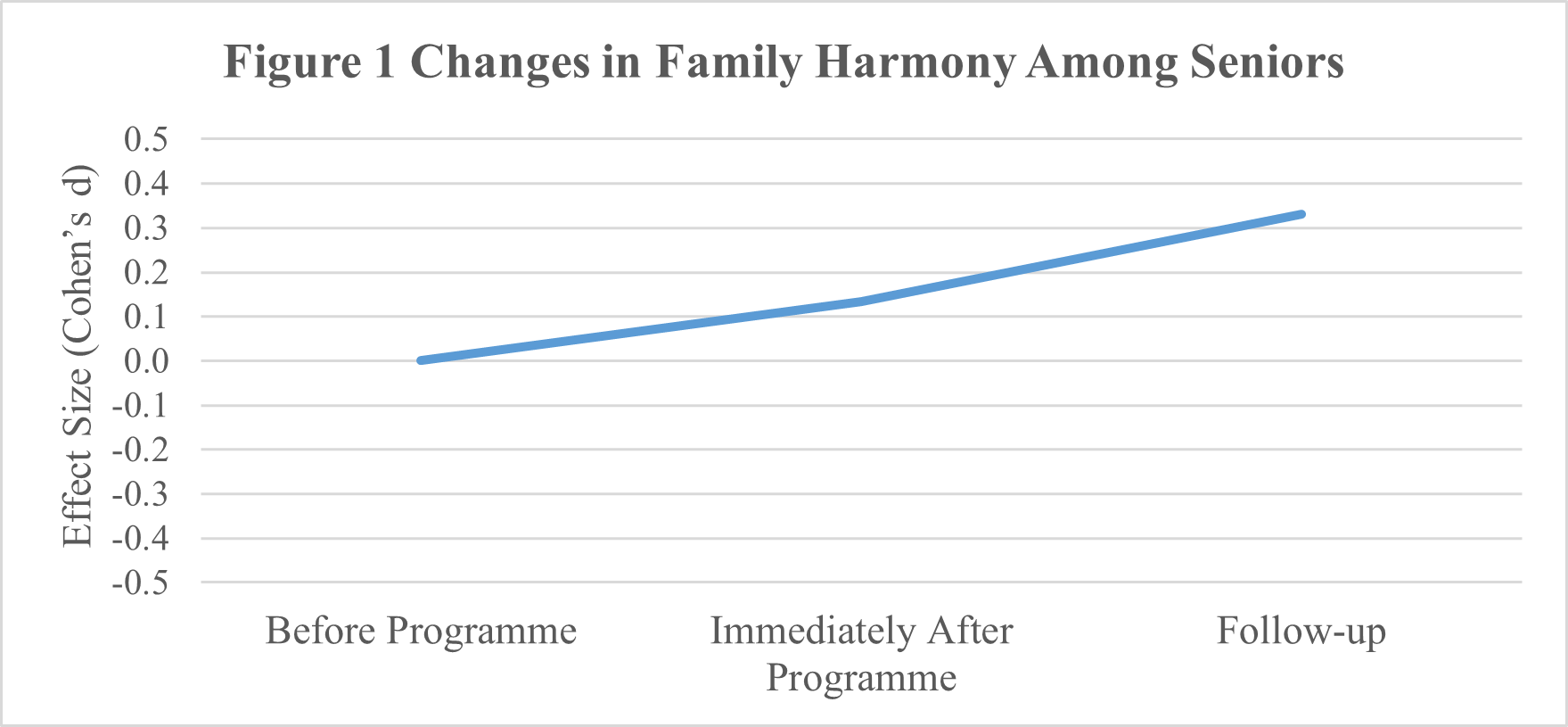
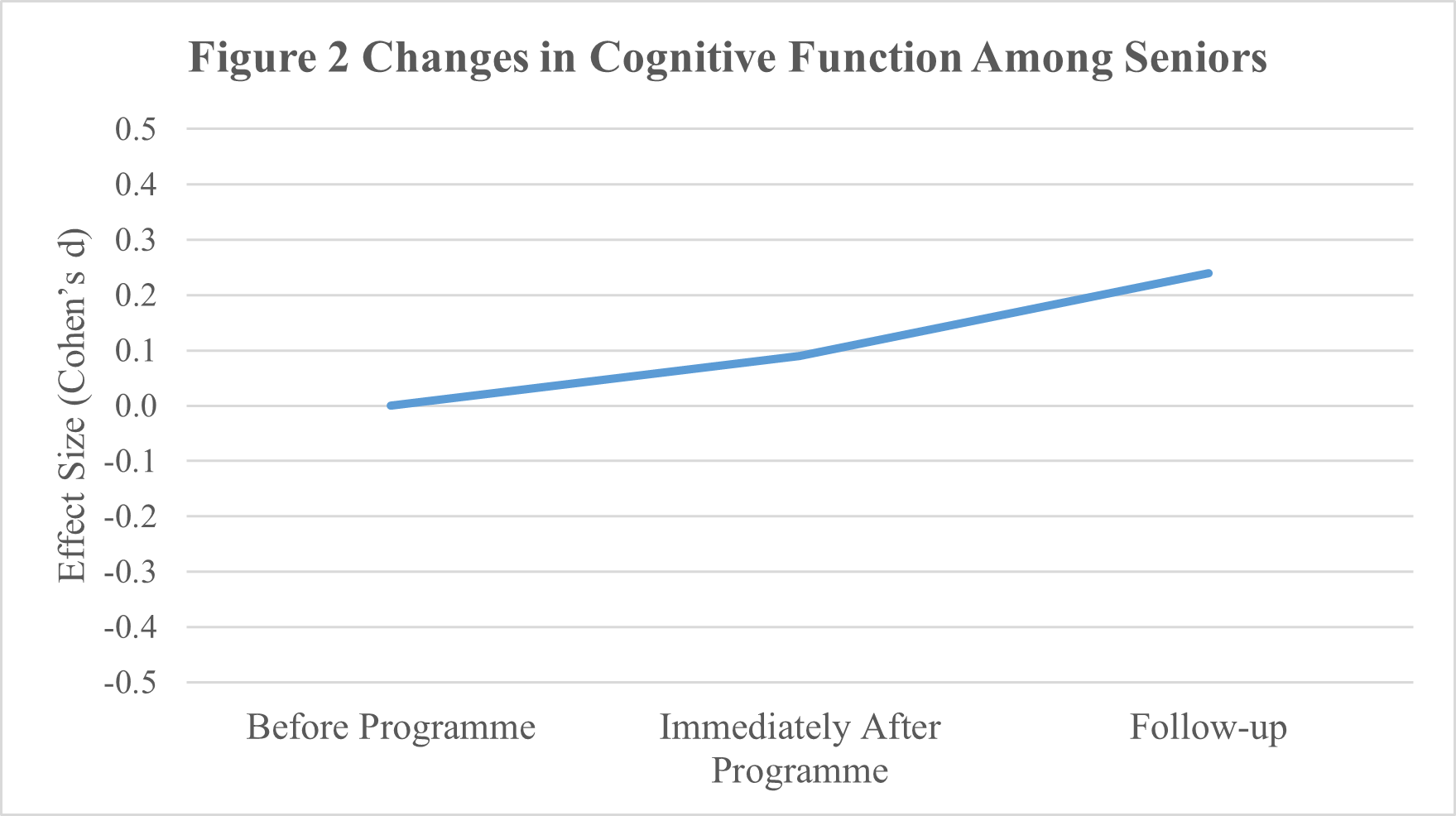
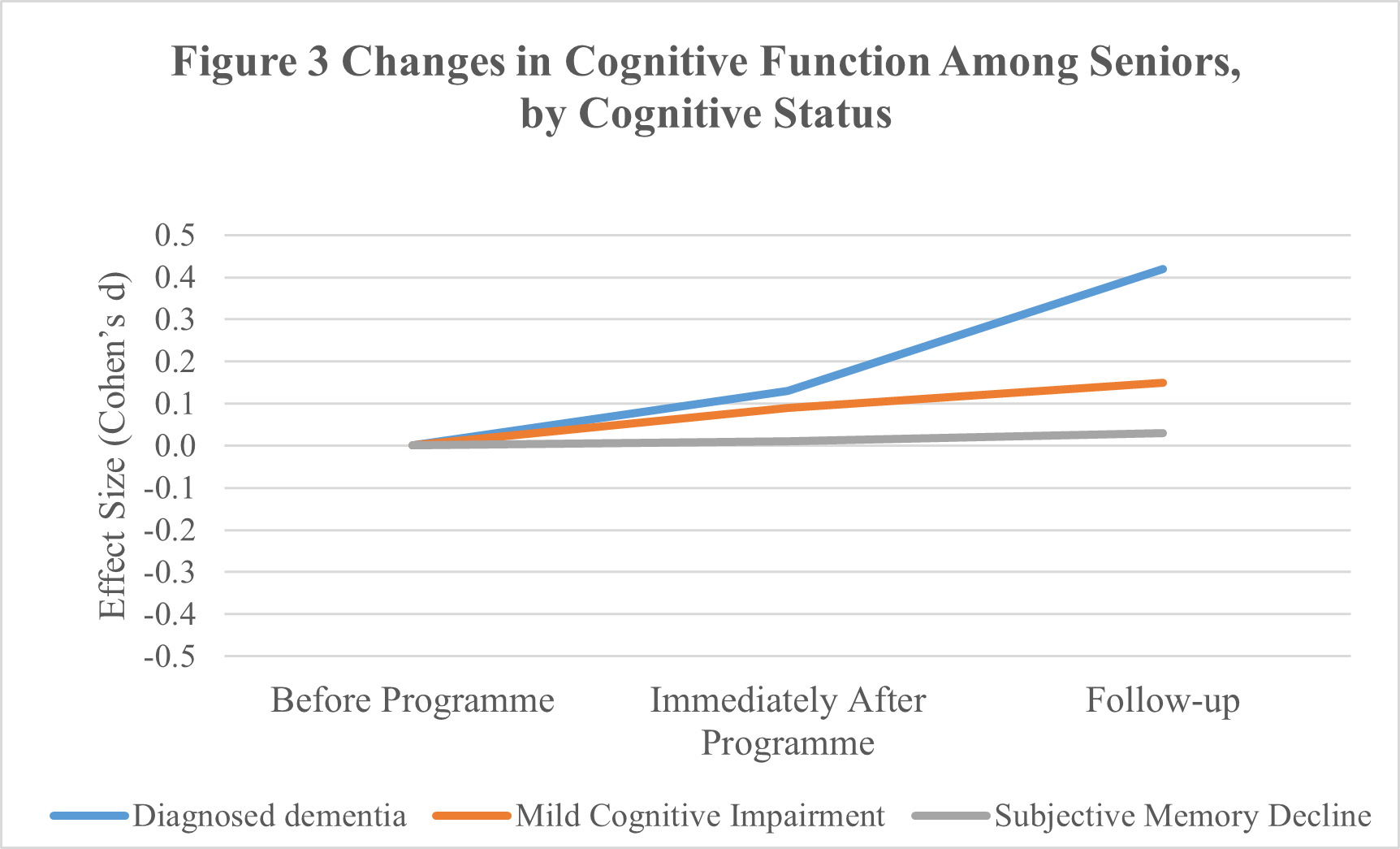
At the sharing session, Dr Patsy Chau Pui-hing, Associate Professor of the HKU School of Nursing, highlighted that the programme demonstrated positive outcomes across multiple domains:
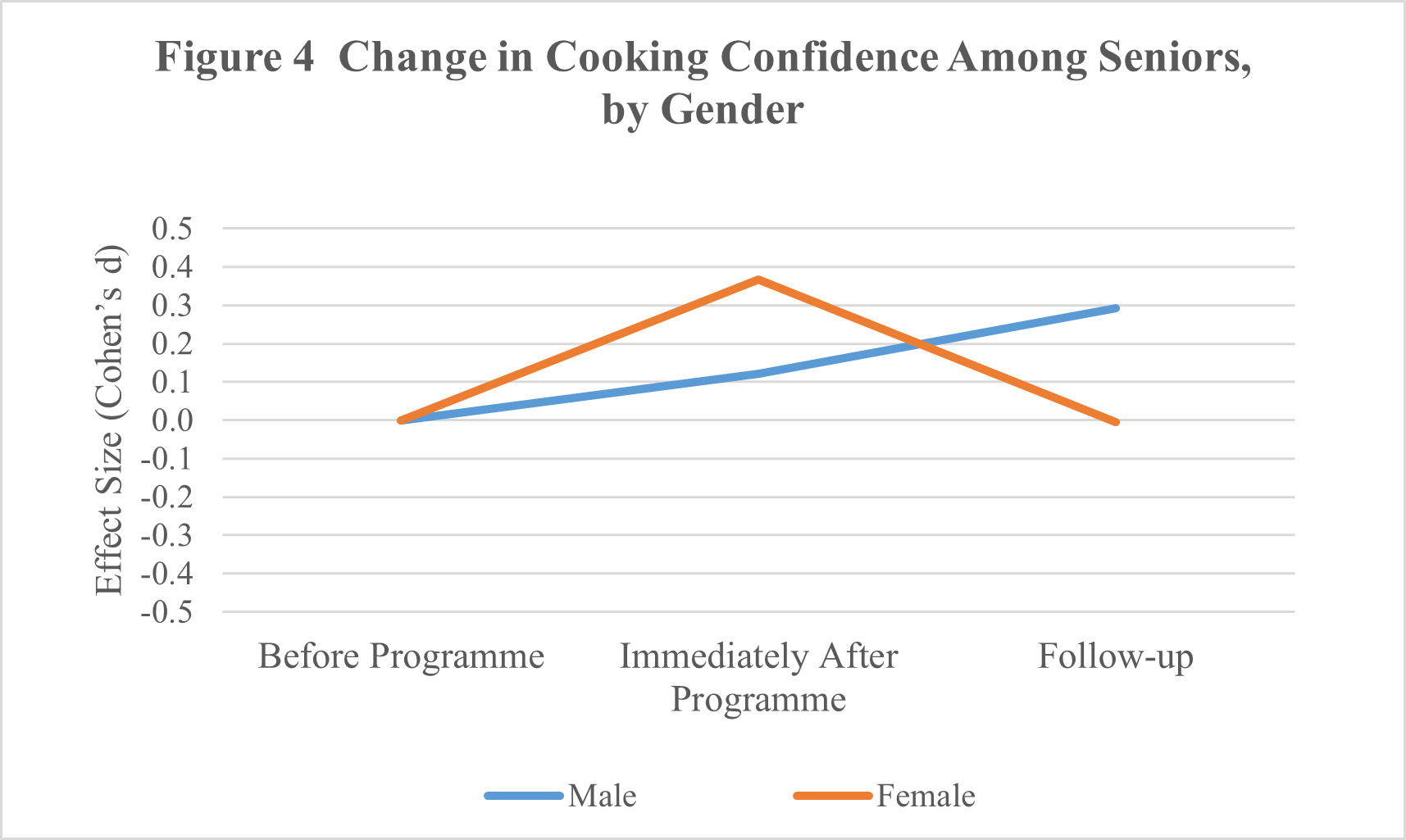
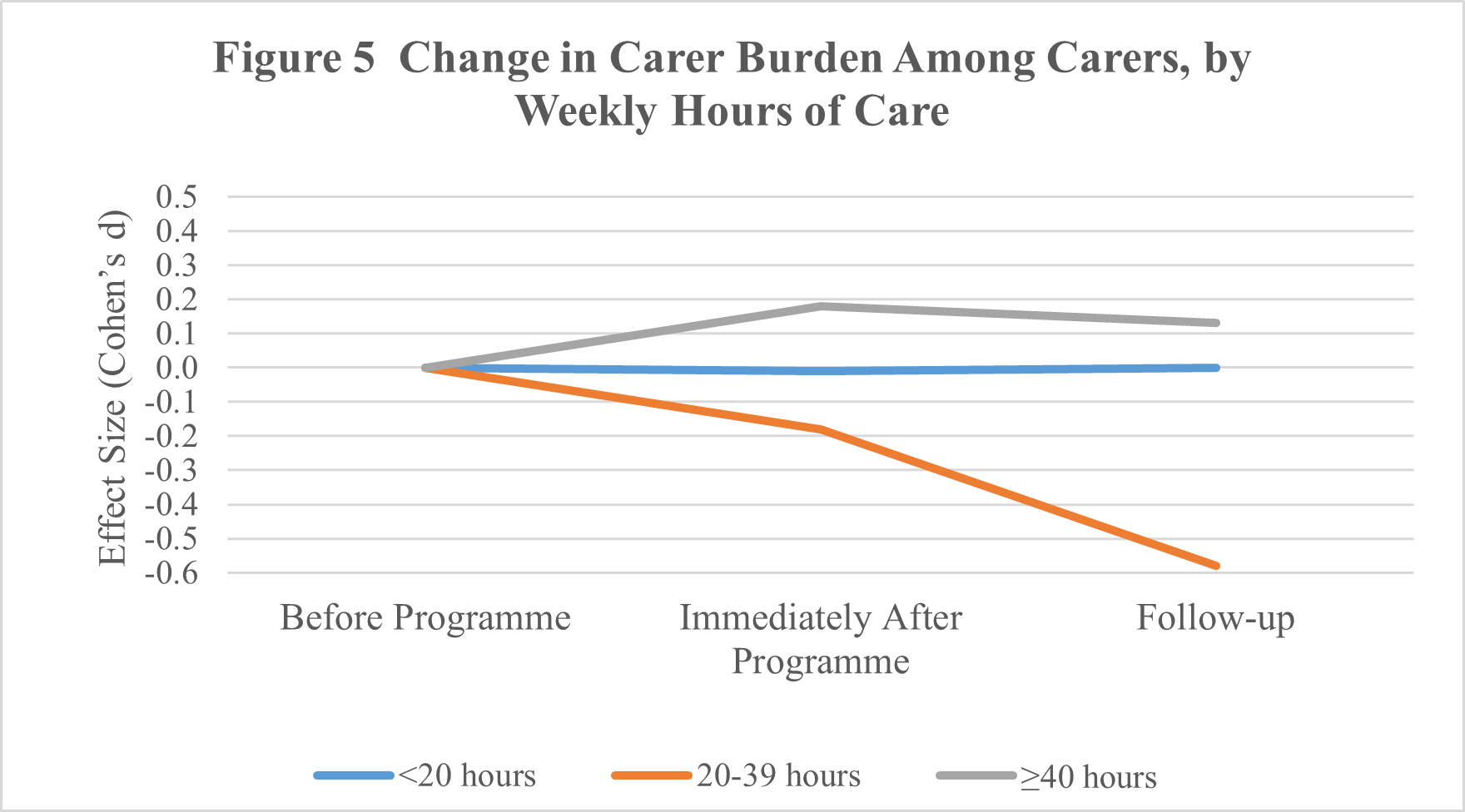
Participants rediscover their “I can do it” spirit
Beyond quantitative results, the research team also conducted semi‑structured interviews with 10 participating pairs. Findings revealed that the programme helped seniors rediscover their abilities and regain an “I can do it” mindset in a supportive, confidence‑building environment. The team summarised these insights using the “ABCDE” framework:
By building a sense of achievement and confidence, seniors restarted their learning journey and regained autonomy (A); by deepening understanding of dementia (B) —including recognising their abilities and uncovering their potential— they strengthened social connections (C); and by rediscovering their abilities and interests (D) within a supportive environment (E), they further reinforced their autonomy (A), and entered a positive cycle of continuous empowerment.
Occupational therapist and participants share practical experiences
At the presentation, a social worker from the Welfare Council explained how to apply procedural memory methods and procedural analysis recipes in cooking training to help elderly individuals with declining cognitive abilities complete cooking processes step by step.
Additionally, carer families and volunteers who participated in the programme shared on-site their feelings and gains from the cooking groups, including Mr Lau, who has dementia, his wife, and Towngas volunteer Ah Po. From different perspectives, they elaborated on how the programme influenced their views on elderly capabilities, caring roles, and family relationships. Mr Lau was diagnosed with dementia in 2024, and has experienced deterioration in short-term memory and cognitive abilities. Mrs Lau, who has always assumed the carer role, said: “I worried that my husband would gradually lose his cooking ability, but seeing him complete dishes step by step following the recipe made me understand not to deny him the chance to do things just because I think he cannot. It turns out that with the right approach and more trust, he still has the ability to share household duties with me, and we can recapture the joy of cooking together.”
Ms Catherine Wong Pui-yee, Head of Corporate Affairs and Government Relations of Towngas, said: “Since its launch, Chef Anchor has become one of Towngas’s most popular volunteer activities. This innovative activity has not only brought awards to the Company, but volunteers who have participated over the years feel that, in addition to giving, they themselves have gained much insight and experience. This is precisely the win-win-win situation that corporations hope to achieve – beneficiaries, volunteers, and the company all benefit.”
Ms Esther Wong Chui-yan, Assistant Director of Hong Kong Sheng Kung Hui Welfare Council, stated: “The programme emphasises showcasing the latent abilities of elderly individuals, enabling dementia patients to engage in ‘failure-free learning’ in a supportive environment, and encouraging elderly individuals and carers to take cognitive training home to build greater mutual confidence, enabling them to enjoy meaningful lives.”
- END -
Press photos:
Photo 1: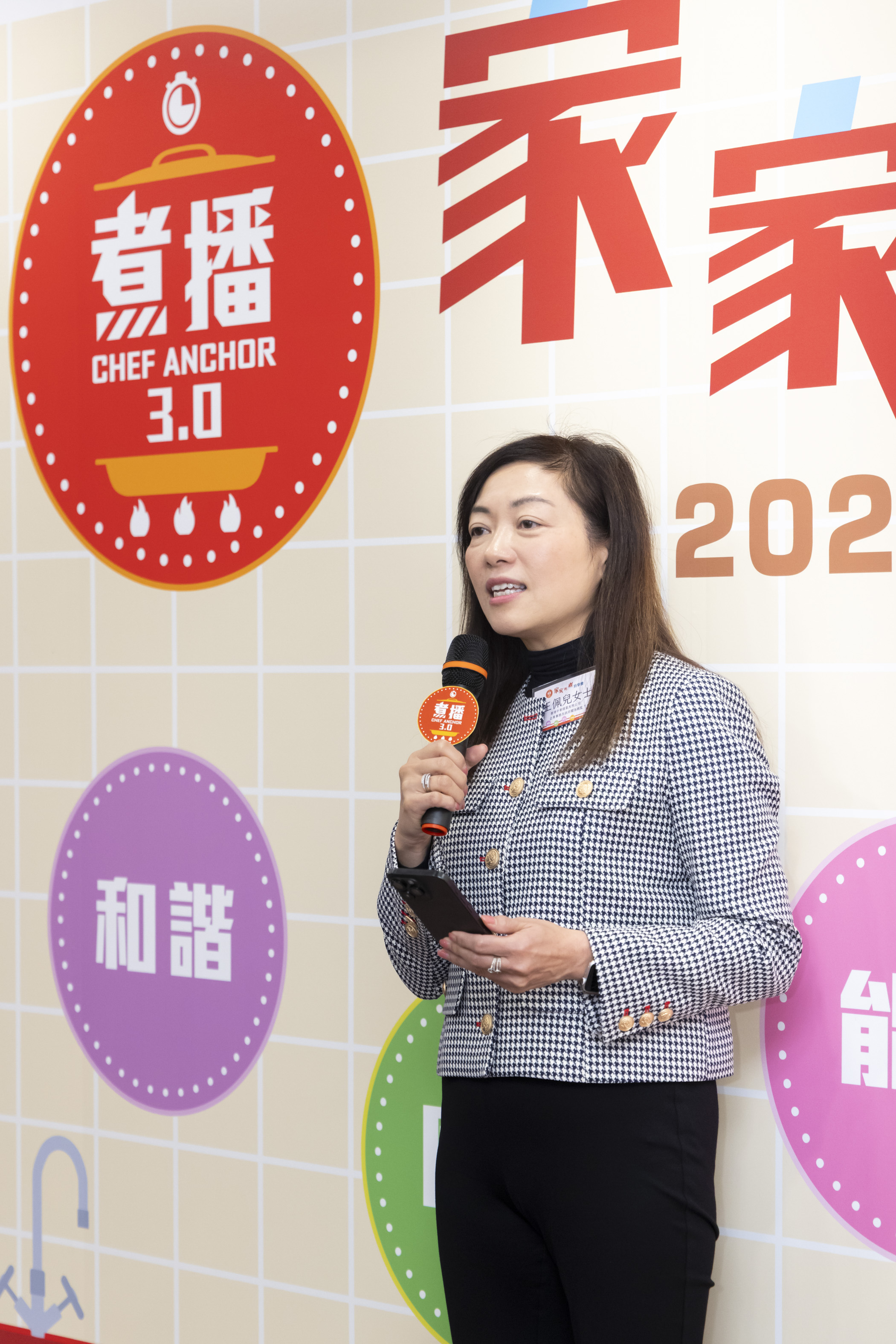
Ms Catherine Wong Pui-yee, Head of Corporate Affairs and Government Relations of Towngas, says that since Chef Anchor's launch, in addition to bringing awards to the Company, staff volunteers who have participated over the years have gained much insight and experience. This is precisely the win-win-win situation that corporations hope to achieve – beneficiaries, volunteers, and the company all benefit.
Photo 2: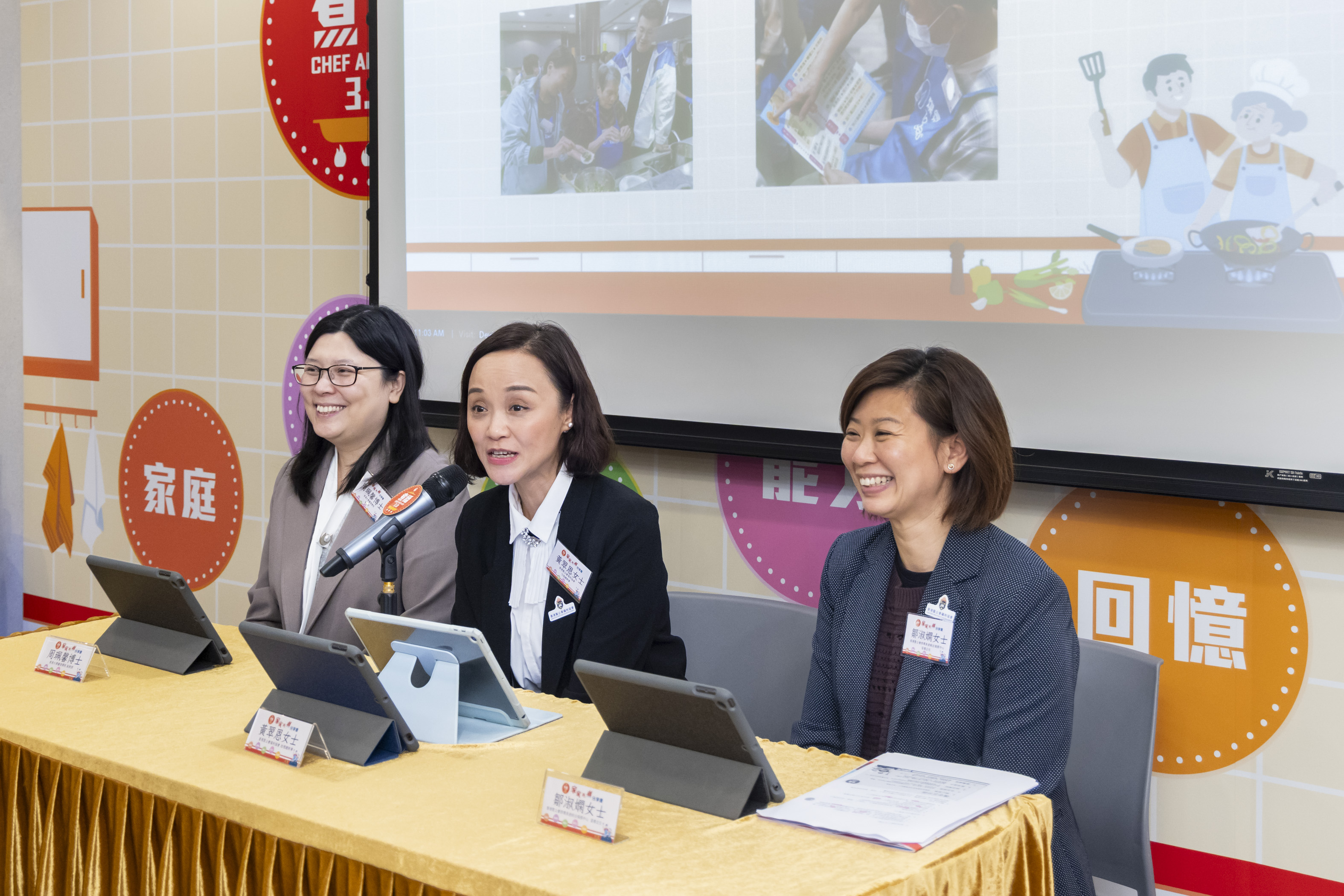
Dr Patsy Chau Pui-hing (left), Associate Professor of the HKU School of Nursing; Ms Esther Wong Chui-yan (centre), Assistant Director of Hong Kong Sheng Kung Hui Welfare Council; and Ms Janis Chau Shuk-han (right), Service Supervisor of Hong Kong Sheng Kung Hui Welfare Council, jointly present the results of Chef Anchor 3.0.
Photo 3: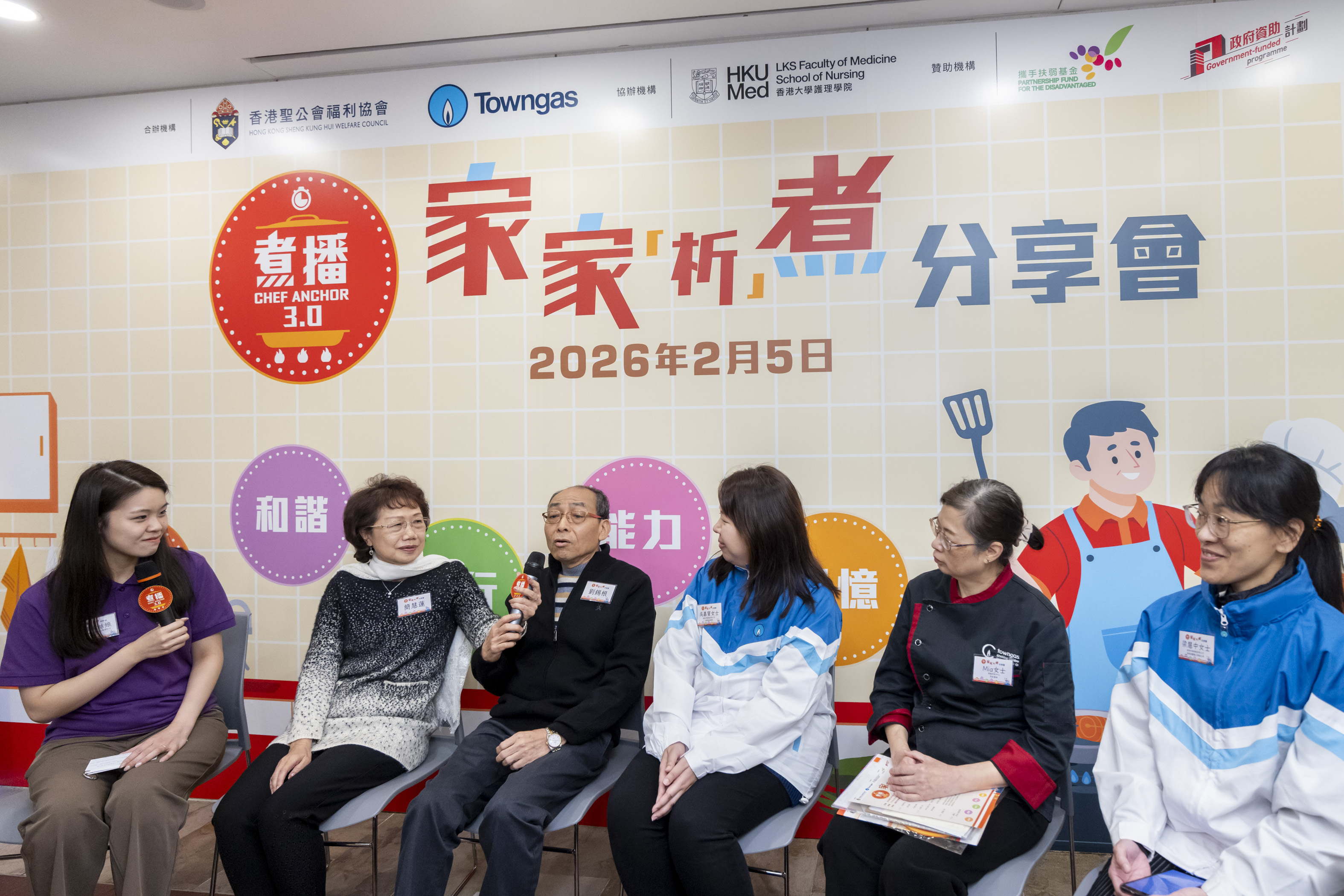
Chef Anchor 3.0 participants and volunteers share their feelings and gains from applying procedural memory methods and procedural analysis recipes in the cooking groups.
Photo 4: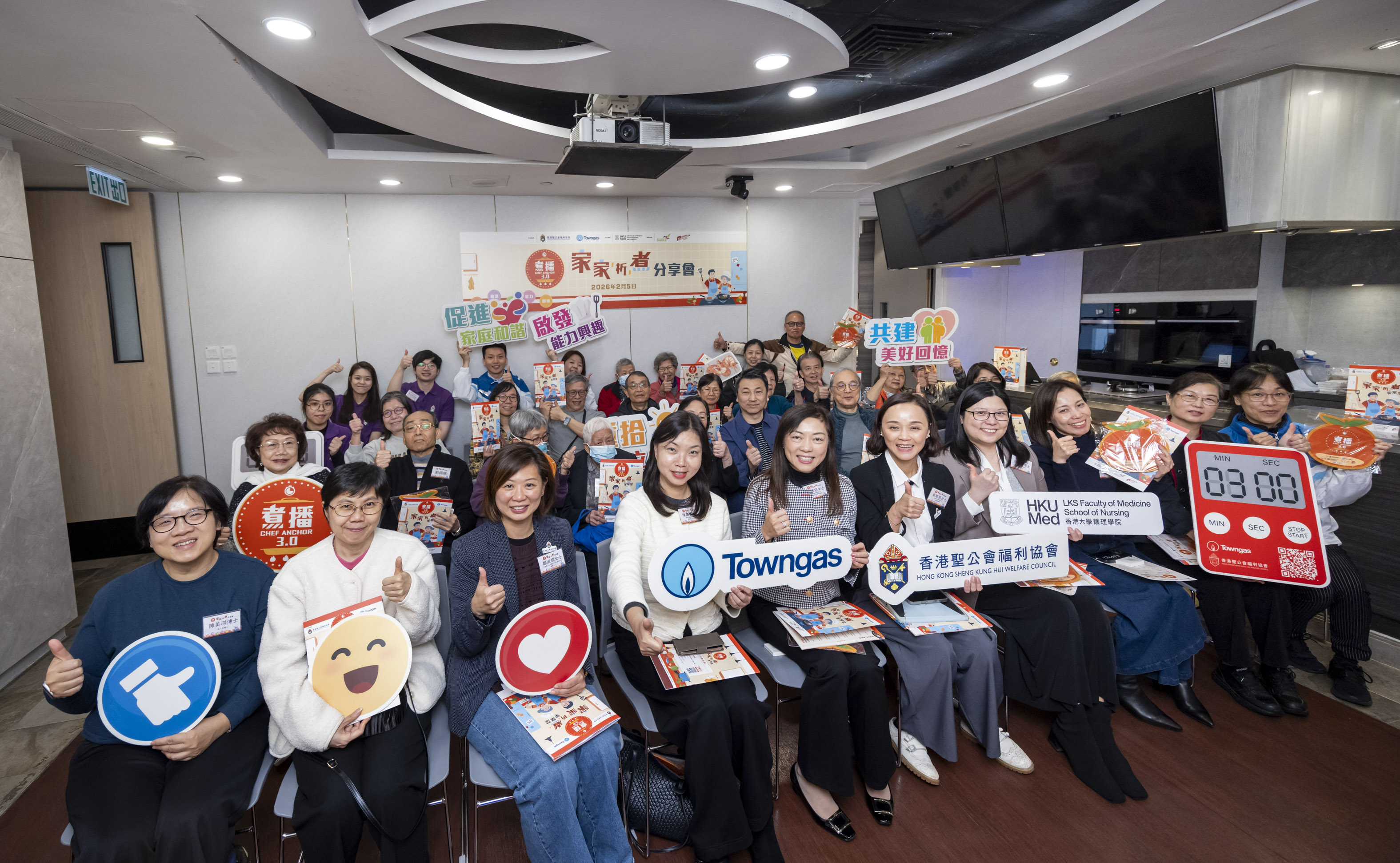
Guests pose for a heartwarming group photo with seniors and carers who participated in Chef Anchor 3.0.
For media enquiries, please contact:
|
Towngas |
Hong Kong Sheng Kung Hui Welware Council |