Need Maintenance?

(11 October 2026) Can waste branches pruned from sand willows planted to combat desertification actually be transformed into environmentally friendly liquid fuel for ocean-going cargo ships? VENEX, a joint venture of The Hong Kong and China Gas Company Limited (Towngas), is turning this idea into reality through its green methanol project in Ordos, Inner Mongolia. Built on a circular chain of “desertification control – waste-branch collection – fuel production”, the project was selected as one of 36 Global Sustainable Transport Good Practices at the Global Sustainable Transport Forum held in Beijing, making it the only Hong Kong company project on the list.
The project utilises agricultural and forestry waste to produce green methanol as marine fuel. It is currently expanding its production capacity to 300,000 tonnes per year to alleviate the severe shortage of green methanol as the international shipping industry advances towards its “IMO 2050” decarbonisation goal.
Where do the raw materials come from? The answer lies in the desert. The project adopts a locally tailored approach by cultivating sand-fixing shrubs such as sand willow in the desert. Sand willow requires periodic coppicing every few years, and the pruned branches are then converted into entirely natural and renewable feedstock for green methanol production, ensuring a sustainable and continuous supply of raw materials. The project also works closely with local communities by purchasing biomass waste from farmers and herders. Formerly discarded as “ecological waste”, these materials are now repurposed as “feedstock” for the green industry, providing farmers and herders with an additional stable source of income and generating economic benefits for the local community.
The 36 cases unveiled at the forum span 27 countries and regions across six continents, covering a wide range of fields, including transport infrastructure connectivity, green and low-carbon technologies and equipment, digital and smart transformation, public transport and inclusive mobility, green logistics and supply chains, as well as transport safety and ecological resilience.
The release marks the second global launch of the collection of good practice cases, following its debut at the Headquarters of the United Nations in New York in July 2025. Recognised for their innovation, replicability and scalability, the selected projects have been incorporated into the United Nations Sustainable Transport Action Commitments as a key tangible outcome of the programme.
Mr Sham Man-fai, Group Chief Technology Officer and Chief Operating Officer – Green Fuels and Chemicals of Towngas, said he was delighted and encouraged by the project’s selection as a good practice case. During the forum, he also shared Towngas’s technological strengths and industrial positioning in the green methanol sector. He noted that the VENEX green methanol project converts waste into energy, addressing the shortage of renewable marine fuel while contributing to the decarbonisation of the global shipping industry, making it closely aligned with the principles of sustainable transport.
“The project involves a comprehensive technological transformation of existing chemical assets, avoiding the need for extensive new infrastructure development. We believe it can also provide a replicable green transformation pathway for other traditional chemical enterprises,” he said.
In fact, the VENEX green methanol project has received widespread recognition both on the Chinese Mainland and overseas. Following its attainment of the European Union’s ISCC EU and ISCC PLUS international certifications, the project also recently obtained certification under China’s Global Sustainable Transport Certification (GSTC). Looking ahead, VENEX will continue to expand its production scale and distribution capabilities, actively supporting the country’s “dual carbon” strategy and the low-carbon transition of the shipping industry.
- END -
Press photo:
Photo 1: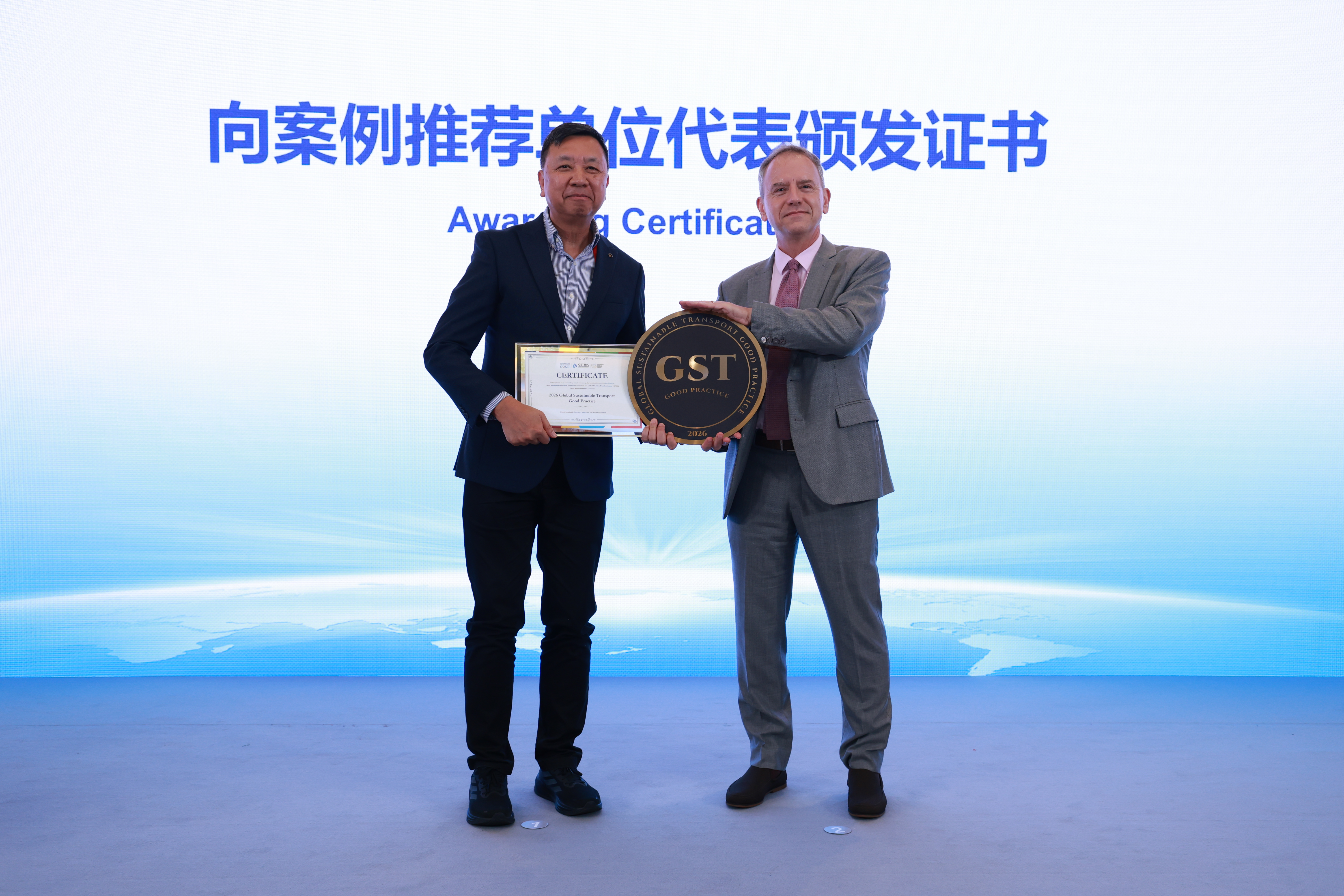
Mr Sham Man-fai (left), Group Chief Technology Officer and Chief Operating Officer – Green Fuels and Chemicals of Towngas, said that VENEX’s development strategy is closely aligned with sustainable transport principles and could serve as a replicable green transformation pathway for other traditional chemical enterprises.
Photo 2: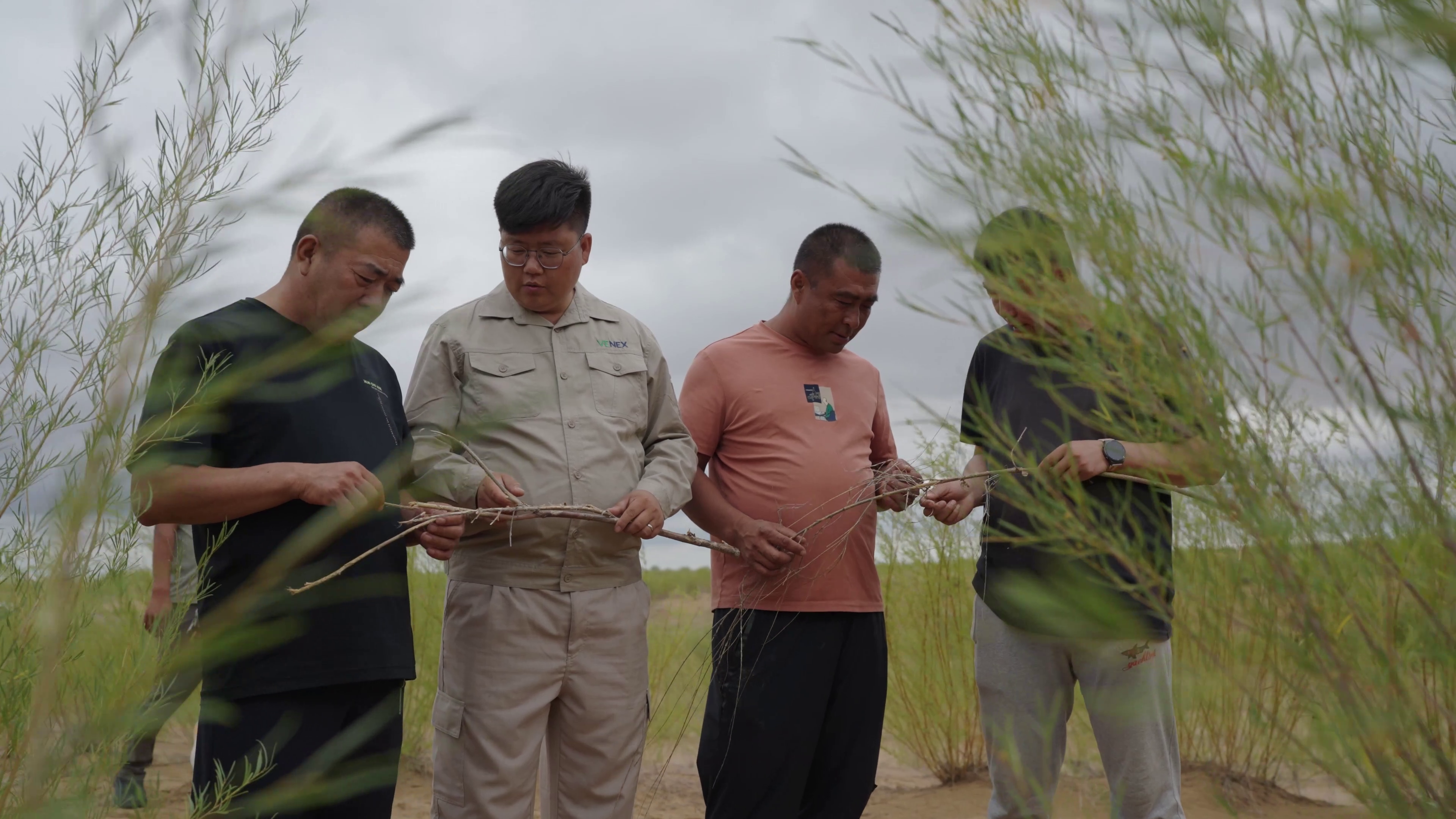
VENEX works with local communities to purchase waste branches pruned from sand willows and other biomass waste from farmers and herders as feedstocks for green methanol production. Once discarded as ecological waste, these materials are now repurposed as feedstocks for the green industry, providing farmers and herders with an additional stable source of income.
Photo 3: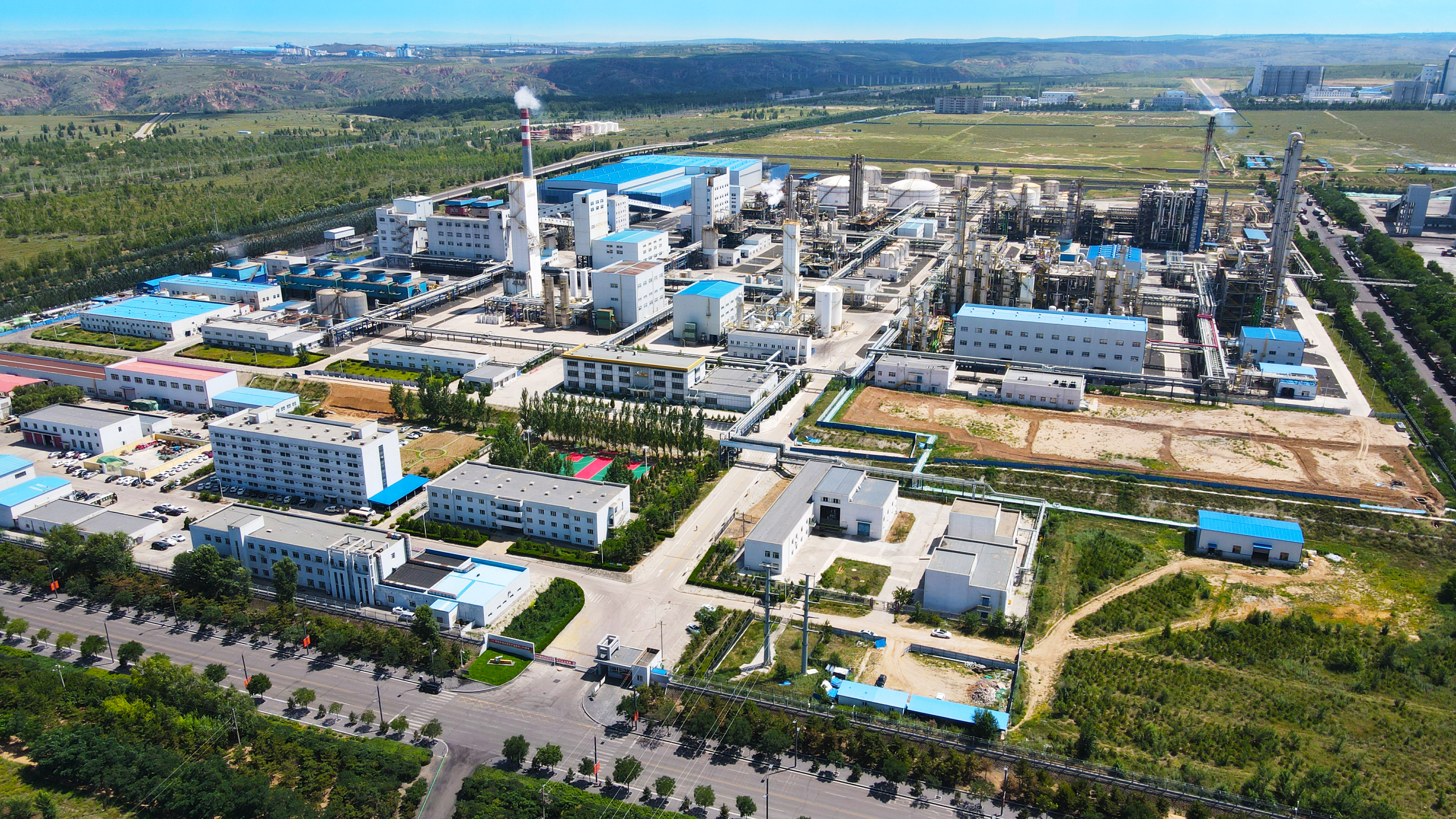
VENEX’s green methanol production plant in Ordos, Inner Mongolia, produces green methanol from agricultural and forestry waste as marine fuel. Its production capacity is currently being expanded to 300,000 tonnes per year.
Photo 4: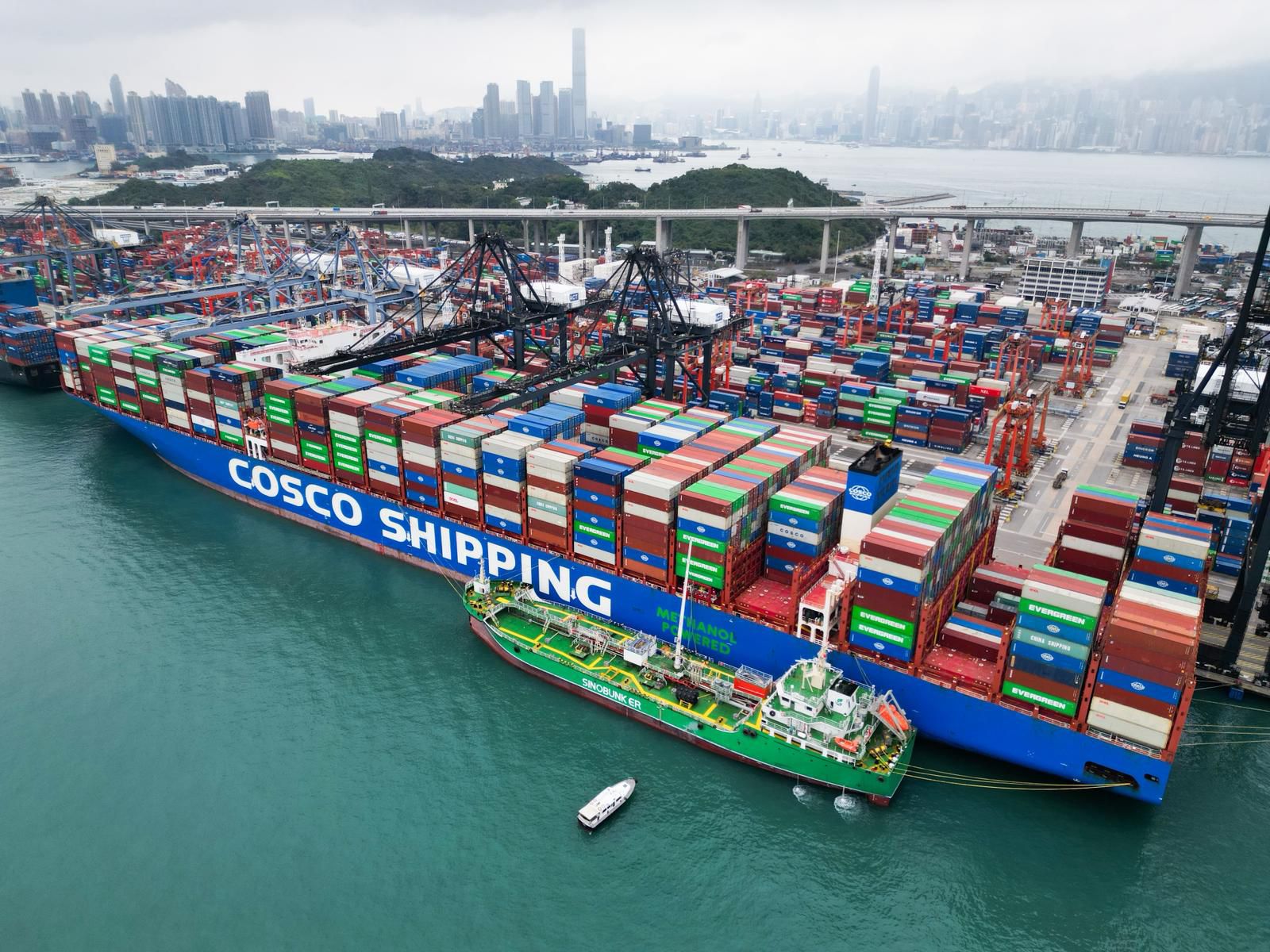
Green methanol produced by the project is bunkered into ocean-going vessels as marine fuel, helping the international shipping industry advance towards its “IMO 2050” decarbonisation goal.
For media enquiries, please contact:
The Hong Kong and China Gas Company Limited
|
Mr Aiden Wong |
Mr Julius Chow |